


The structure of cell units define the biological capabilities of every living organism. Cells serve as the fundamental building blocks containing specialized organelles like mitochondria and Golgi bodies. Understanding these components is essential for mastering the RPSC Assistant Professor Zoology Syllabus and grasping how cell cycle and cell division maintain life.
Fundamental Overview of Cell Architecture
The structure of cell systems represent the smallest unit of life capable of independent existence. Every cell contains a plasma membrane, cytoplasm, and genetic material. These components work together to perform metabolic activities, energy conversion, and self-replication.
Your understanding of cellular biology begins with the plasma membrane. This lipid bilayer regulates the entry and exit of substances. Inside this boundary, the cytoplasm houses various organelles. Each organelle performs a specific task. For example, ribosomes synthesize proteins while lysosomes handle waste degradation.
The RPSC Assistant Professor Zoology Syllabus emphasizes the relationship between these structures. You must recognize that a cell is not a static bag of chemicals. It is a dynamic system. Structural integrity directly influences physiological capacity. If the membrane fails, the internal environment collapses. If the organelles malfunction, the cell dies. This section provides the foundation for exploring complex organelles like the endoplasmic reticulum and mitochondria.
Structure of the Nucleus
The nucleus acts as the control center for the structure of cell operations. It houses the majority of the cellular DNA. This genetic material provides the instructions for protein synthesis and cellular reproduction.
As per the structure of cell, the nuclear envelope consists of two concentric membranes. Nuclear pores penetrate this envelope to allow the exchange of materials between the nucleus and cytoplasm. Inside, the nucleoplasm contains chromatin and the nucleolus. The nucleolus is the site of ribosomal RNA synthesis.
For students of the RPSC Assistant Professor Zoology Syllabus, the nucleus is vital for understanding heredity. During the cell cycle and cell division, the nucleus undergoes significant changes. Chromatin condenses into visible chromosomes. This ensures that genetic information moves accurately to daughter cells. The nucleus coordinates growth, intermediary metabolism, and gene expression. Without a functional nucleus, complex eukaryotic life cannot persist.
Mitochondria the Powerhouse of the Cell
Mitochondria are double membrane bound organelles responsible for ATP production in the structure of cell . They represent a critical chapter in the structure of cell energy dynamics. Their unique structure includes an outer membrane and a folded inner membrane known as cristae.
The inner membrane increases surface area for chemical reactions. This is where the electron transport chain resides. Mitochondria possess their own DNA and ribosomes, supporting the endosymbiotic theory. They convert nutrients into adenosine triphosphate through aerobic respiration.
In the RPSC Assistant Professor Zoology Syllabus, you study mitochondria to understand metabolic efficiency. Cells with high energy demands, such as muscle cells, contain thousands of mitochondria. Beyond energy, they regulate apoptosis and calcium signaling. Any defect in mitochondrial function leads to metabolic disorders. Their role in the cell cycle and cell division is also noted, as they must replicate to provide energy for new cells.
Endoplasmic Reticulum and Protein Synthesis
The endoplasmic reticulum is a network of membranous tubules and sacs called cisternae. It plays a central role in the structure of cell transport and synthesis. It exists in two forms: rough and smooth.
The rough endoplasmic reticulum is studded with ribosomes. These ribosomes synthesize proteins destined for secretion or membrane integration in the structure of cell . The smooth endoplasmic reticulum lacks ribosomes. It focuses on lipid synthesis, carbohydrate metabolism, and detoxification.
Your study of the RPSC Assistant Professor Zoology Syllabus requires a deep look at the ER’s role in folding proteins. Misfolded proteins are retained and degraded. This organelle connects directly to the nuclear envelope, forming a continuous pathway. It acts as a manufacturing and packaging system. It works closely with Golgi bodies to ensure proteins reach their final destinations. This coordination is essential for maintaining cellular homeostasis.
Golgi Bodies and Cellular Secretion
Golgi bodies, also known as the Golgi apparatus, function as the shipping and receiving center of the cell. They consist of flattened, stacked pouches called cisternae. This organelle is essential for the structure of cell secretion pathways.
Proteins arrive at the cis face of the Golgi from the endoplasmic reticulum. As they move toward the trans face, they undergo modifications. These modifications include the addition of sugar chains to form glycoproteins. The Golgi then sorts these products into vesicles for transport.
The RPSC Assistant Professor Zoology Syllabus highlights the Golgi’s role in forming lysosomes and plasma membrane components. If the Golgi bodies fail to sort proteins correctly, the cell cannot interact with its environment. In the context of cell cycle and cell division, the Golgi fragments and repartitions to ensure both daughter cells receive functional secretory machinery. Its efficiency determines the rate of cellular growth and signaling.
Lysosomes and Ribosomes in Cellular Maintenance
Lysosomes are spherical vesicles containing digestive enzymes. They handle the structure of cell waste management. These enzymes break down macromolecules, old organelles, and foreign substances.
Ribosomes are the smallest organelles, composed of RNA and proteins. They are the sites of protein synthesis. You find them floating freely in the cytoplasm or attached to the endoplasmic reticulum. Ribosomes translate genetic code into functional proteins.
For the RPSC Assistant Professor Zoology Syllabus, these organelles represent the balance of build up and break down. Ribosomes build the tools the cell needs. Lysosomes recycle those tools when they wear out. During the cell cycle and cell division, ribosome production increases to prepare for the doubling of cellular mass. Lysosomes ensure that damaged components do not interfere with the division process. This internal maintenance is vital for long term cellular health.
Mechanics of Cell Cycle and Cell Division
Cell cycle and cell division are the processes by which a single cell grows and divides into two daughter cells. This cycle includes Interphase and the M phase. It is the core mechanism for growth and reproduction in all organisms.
Interphase consists of G1, S, and G2 phases. During the S phase, DNA replication occurs. The M phase includes mitosis and cytokinesis. Mitosis ensures that each daughter cell receives an identical set of chromosomes. This precision is a major focus of the structure of cell studies.
The RPSC Assistant Professor Zoology Syllabus requires knowledge of regulatory checkpoints. Proteins like cyclins and cyclin dependent kinases control these transitions. If these checkpoints fail, uncontrolled cell division occurs, often leading to cancer. Understanding the cell cycle and cell division allows you to predict how tissues repair themselves. It also explains how genetic diversity arises through meiosis in germ cells.
Comparative Summary of Organelle Functions
The following table summarizes the key components discussed within the structure of cell framework.
| Organelle | Primary Function | Structural Feature |
| Nucleus | Genetic Control | Nuclear Envelope |
| Mitochondria | ATP Production | Cristae |
| Golgi Bodies | Sorting and Packaging | Cisternae |
| Endoplasmic Reticulum | Synthesis and Transport | Rough/Smooth Tubules |
| Lysosomes | Waste Digestion | Hydrolytic Enzymes |
| Ribosomes | Protein Synthesis | RNA/Protein Complex |
Biological processes follow mathematical principles. For example, the surface area to volume ratio limits the size of a cell. As a cell grows, its volume increases faster than its surface area.
The volume V of a sphere is 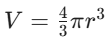
The surface area A is A= 4πr2
As per the structure of cell, a decrease in the A/V ratio reduces the efficiency of nutrient exchange. This constraint triggers the cell cycle and cell division. By dividing, the cell restores a high surface area to volume ratio, ensuring survival.
In the RPSC Assistant Professor Zoology Syllabus, you may encounter calculations regarding mitochondrial density. Active cells have a higher mitochondrial volume fraction. This supports the claim that structure of cell components adapt to physiological needs. Data shows that cardiac muscle cells can have up to 35% of their volume occupied by mitochondria to meet constant energy demands.
Critical Analysis of the Powerhouse Metaphor
While often called the powerhouse, mitochondria do not simply create energy from nothing. They convert chemical energy. A common misconception is that mitochondria work independently. In reality, they rely on nuclear DNA for most of their proteins.
This dependency means mitochondrial health is tied to nuclear integrity. Furthermore, mitochondria can become toxic. When they leak electrons, they produce reactive oxygen species. These molecules damage the structure of cell membranes and DNA.
In the RPSC Assistant Professor Zoology Syllabus, you must recognize that mitochondrial dysfunction is a primary driver of aging in the structure of cell . The “mitochondrial theory of aging” suggests that accumulated damage to mitochondrial DNA leads to a decline in cellular function. Therefore, the powerhouse is also a potential source of cellular decay. You must view these organelles as balanced systems rather than just energy factories.
Practical Application in Medical Zoology
Understanding the structure of cell units is essential for medical research. For instance, many antibiotics target ribosomes. Because bacterial ribosomes differ from human ribosomes, these drugs kill bacteria without harming the patient.
In cancer treatment, drugs often target the cell cycle and cell division. Chemotherapy works by interrupting the S phase or the mitotic spindle formation. This stops the rapid growth of malignant cells.
If you are preparing for the RPSC Assistant Professor Zoology Syllabus, consider how Golgi bodies are involved in mucus production. In diseases like cystic fibrosis, protein transport through the endoplasmic reticulum and Golgi is impaired. This leads to thick, obstructive mucus. These real world examples demonstrate that cellular biology is the basis of pathology and pharmacology. Your mastery of these concepts is the first step in diagnosing and treating human diseases.
Final Thoughts
Mastering the structure of cell components is the most critical step for any candidate following the RPSC Assistant Professor Zoology Syllabus. This knowledge provides the necessary framework to understand complex physiological interactions and the mechanics of the cell cycle and cell division. VedPrep offers comprehensive resources and expert guidance to help you navigate these advanced biological topics with precision. By focusing on the specific roles of organelles like mitochondria and Golgi bodies, you build a solid foundation for academic and professional success in the field of zoology.
To know in details from our expert faculty, watch our Youtube video:
Frequently Asked Questions (FAQs)
How does the RPSC Assistant Professor Zoology Syllabus define cellular organelles?
The syllabus focuses on the structural morphology and physiological roles of key organelles. This includes the nucleus, mitochondria, Golgi bodies, endoplasmic reticulum, lysosomes, and ribosomes. You must analyze how these parts interact to support the cell cycle and cell division. Mastery of these specifics is required for the exam.
What is the main role of mitochondria in the cell?
Mitochondria produce adenosine triphosphate through aerobic respiration. They contain an outer membrane and a folded inner membrane called cristae to increase reaction surface area. These organelles regulate energy levels and participate in calcium signaling. They are often called the powerhouses of the cellular system.
What are Golgi bodies responsible for in eukaryotic cells?
Golgi bodies act as the sorting and packaging centers for proteins and lipids. They receive materials from the endoplasmic reticulum at the cis face and modify them. The trans face then releases finished products in vesicles. This process is essential for secreting hormones and enzymes safely.
How do ribosomes contribute to cellular function?
Ribosomes serve as the primary site for protein synthesis. They consist of ribosomal RNA and protein complexes. You find them either floating in the cytoplasm or attached to the rough endoplasmic reticulum. They translate genetic messages from messenger RNA into functional polypeptide chains.
How do you identify the different phases of the cell cycle and cell division?
You distinguish phases based on chromosomal arrangement and nuclear activity. Interphase involves growth and DNA replication. Mitosis follows with prophase, metaphase, anaphase, and telophase. Observing the formation of the mitotic spindle and the separation of sister chromatids allows for accurate identification of the division stage.
Where does the nucleus store genetic information for the cell?
The nucleus stores DNA in the form of chromatin within the nucleoplasm. During division, this chromatin condenses into distinct chromosomes. The nuclear envelope protects this material while nuclear pores regulate the passage of regulatory proteins. This organization ensures the accurate transmission of traits during replication.
How do lysosomes maintain cellular health?
Lysosomes contain hydrolytic enzymes that digest waste materials and cellular debris. They fuse with worn out organelles or foreign particles to break them down into smaller molecules. This recycling process prevents the accumulation of toxic substances. It also provides raw materials for new cellular constructions.
What happens if mitochondria fail to function?
Mitochondrial failure leads to a drop in ATP levels and increased oxidative stress. This often results in cell death or metabolic disorders. In muscle tissues, a lack of energy causes immediate fatigue. On a genetic level, damaged mitochondrial DNA accelerates the aging process and tissue degradation.
What are the consequences of uncontrolled cell cycle and cell division?
Uncontrolled division leads to the formation of tumors and cancer. This happens when regulatory checkpoints in the G1, S, or G2 phases fail to stop the cycle of damaged cells. The cell loses its ability to perform programmed death. This results in the rapid production of non functional cells.
How do misfolded proteins impact the endoplasmic reticulum?
Misfolded proteins trigger a stress response in the endoplasmic reticulum. The organelle attempts to refold the proteins or targets them for destruction. If the volume of misfolded proteins becomes too high, it leads to cellular apoptosis. This mechanism prevents the cell from releasing defective proteins into the body.
Why do some cells have multiple nuclei?
Certain cells, like skeletal muscle fibers, possess multiple nuclei to manage large cytoplasmic volumes. This allows for better control over protein synthesis across the entire cell length. It occurs when multiple cells fuse or when nuclear division happens without subsequent cytokinesis. This adaptation supports high metabolic demands.
How do ribosomes function differently in prokaryotes versus eukaryotes?
Prokaryotic ribosomes are smaller, categorized as 70S, while eukaryotic ribosomes are 80S. Although both synthesize proteins, their structure and sensitivity to antibiotics differ. This distinction is a major topic in the RPSC Assistant Professor Zoology Syllabus. It explains why specific medications target bacterial cells without harming human tissue.
What role does apoptosis play in the cell cycle and cell division?
Apoptosis acts as a quality control mechanism during the cell cycle. If a cell detects irreparable DNA damage at a checkpoint, it initiates a suicide program. This prevents the division of mutated cells. Proper apoptosis is as important as division for healthy tissue development and immune function.
How does the endosymbiotic theory explain mitochondrial structure?
The theory suggests mitochondria originated from free living bacteria that entered a host cell. This explains why they have a double membrane and their own circular DNA. Their replication method resembles bacterial fission rather than standard mitosis. This evolutionary history is essential for understanding advanced cell biology.